Story interviews
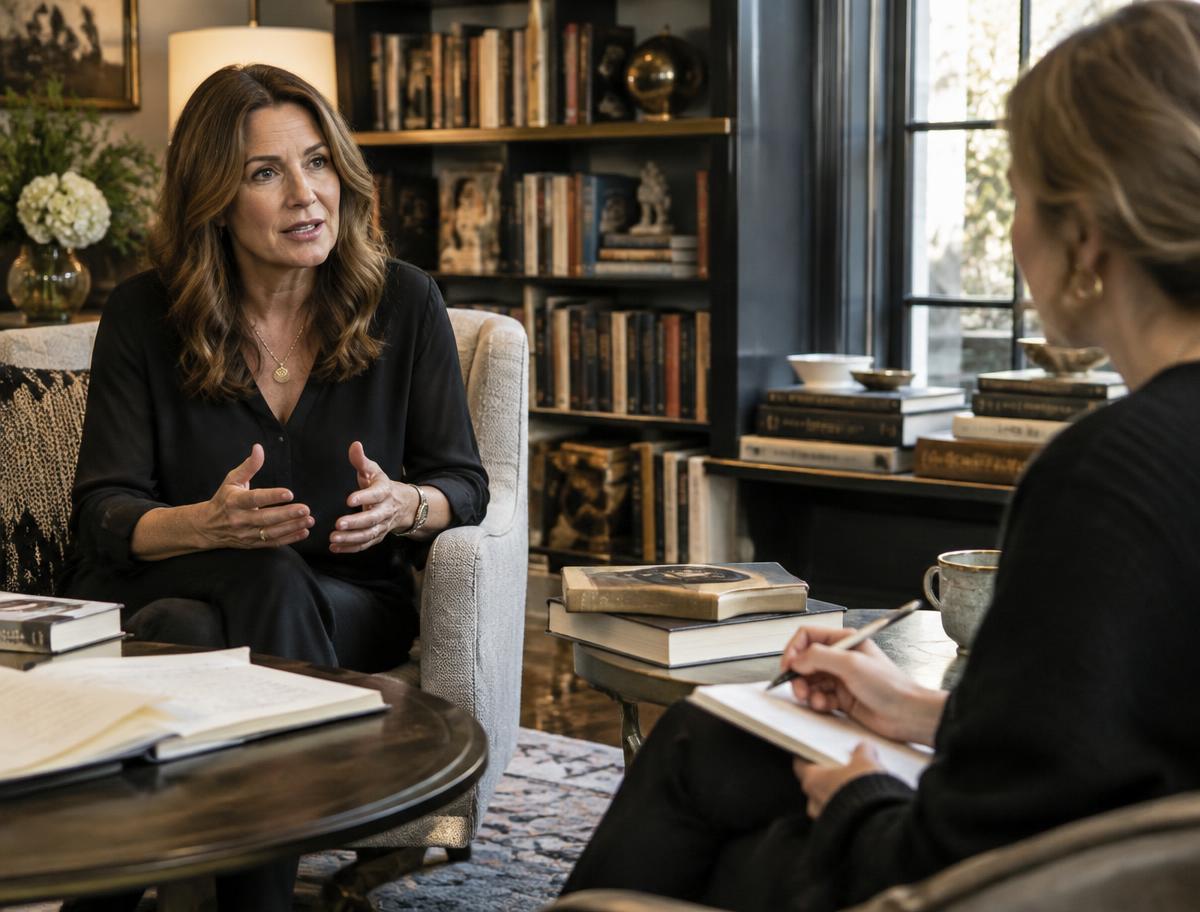
Gentle, focused conversations uncover scenes, context, sensory detail, and emotional truth.
Life story and personal narrative
A meaningful life does not arrive as a neat timeline. We help you decide where the story begins, what it is really about, and what the reader should carry away.
Finding the story
The work is not simply recording everything that happened. It is finding the experiences, relationships, tensions, and changes that create a story someone else can enter.
Careful interviews make room for memory and nuance. Journals, photographs, letters, timelines, and conversations can then help verify details and recover moments worth exploring.
Gentle, focused conversations uncover scenes, context, sensory detail, and emotional truth.
We look beyond chronology to find the question or change that gives the story coherence.
You decide what belongs in the book, what needs care, and what remains private.
The writing preserves your perspective without becoming sentimental, inflated, or overly polished.
Sources for memory
Personal interviews
Journals and letters
Family photographs
Important dates
Recorded conversations
News clippings
Travel records
Stories from other people
Writing in your voice
Your phrases, stories, convictions, humor, and way of seeing the world are the raw material. We listen for all of it. Technology may help organize the work, but it does not replace the human judgment that makes a book feel true.
Questions, answered
Yes. A memoir ghostwriter can interview you, organize the material, write scenes and chapters, and revise the manuscript with your guidance.
No. A memoir needs honesty, but it does not require total disclosure. You and the writer decide what serves the story and what remains private.
That is normal. Interviews, records, photos, and conversations can help. Where certainty is impossible, the writing should not pretend otherwise.
When useful and appropriate, additional interviews can add context or confirm details. Their role and privacy should be discussed before recording.
Your book can start here